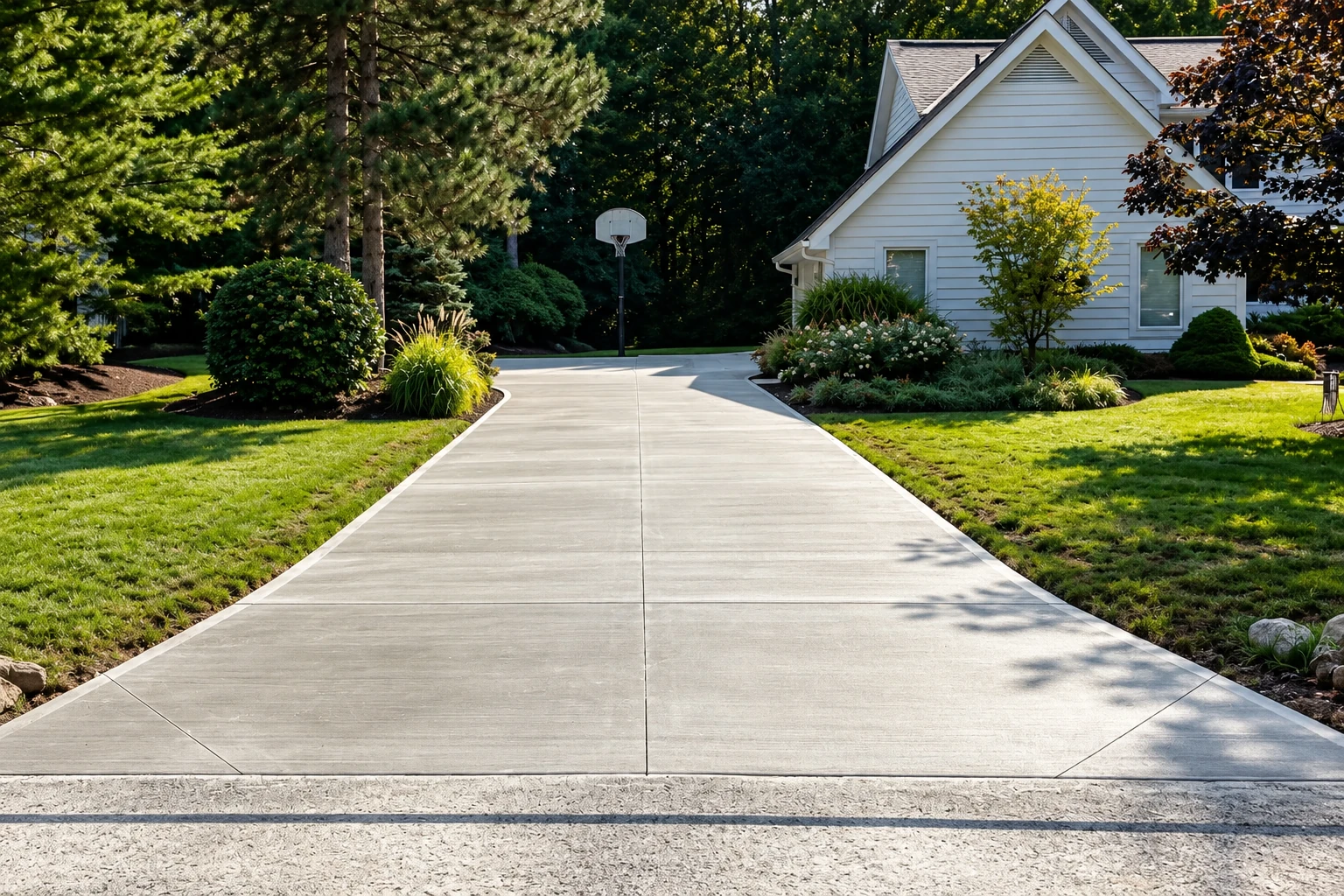
Concrete parking lot building in Alhambra CA - a lot that drains right and holds up
Cracked, sinking or dirt parking area? We plan the slope, base and joints first, so your new concrete lot drains and carries traffic for years.
- Licensed and fully insured.
- Free on-site estimates.
- We respond within 1 business day.
What goes into building a concrete parking lot in Alhambra?
Concrete parking lot building in Alhambra means turning a dirt, gravel or worn-out paved area into a concrete lot that carries cars, sheds rainwater and needs little upkeep. Optimum Alhambra Concrete works out the layout and drainage first, then forms, pours and finishes the slab.
A good lot starts well before the truck shows up, with a look at the site and then decisions about how thick the slab has to be, where the joints go and how it'll stand up to traffic and weather, because those early choices are what you live with for years. The price moves mostly with the size of the lot, the thickness your traffic calls for, how much digging and base work the ground needs and what the city asks for on drainage, while the schedule turns on city review and the weather on pour day. If the job needs a permit, we handle the application and keep you posted with the city, and your written estimate puts a figure on each part of the job.
How do you know your parking lot needs rebuilding?
Water standing after rain
If puddles sit in the same spots a day after a storm, the surface has lost its slope or settled, so the water has nowhere to go. Standing water softens the ground under the slab and wears at the edges, and every season you wait the soft spots spread.
Cracks running across panels
A crack or two is normal, but cracks that wander between the joints or open wider each year usually mean the base underneath has moved. Once water gets into them, pieces start breaking loose and you end up patching instead of parking.
Slabs sinking or rocking
When one panel sits lower than the next, or tips when a car rolls over it, the dirt below was likely never packed. That lip becomes a trip spot for people walking in, and it only gets worse under traffic.
Ruts in dirt or gravel
Gravel washing into the street and ruts that hold mud mean the surface can't carry the cars it's getting. A concrete lot ends the dust and the mud that gets tracked inside.
How we build a concrete parking lot
I want the layout, the drainage and the runoff worked out before any paving starts, because that's what lets a lot go years with little upkeep. So we start by walking the site and setting the slope so water runs toward the drains and away from buildings instead of pooling where people park. Then our crew digs out the soft dirt and packs the subgrade, the ground the slab sits on, in layers, because a base that's only raked level settles and takes the concrete with it. We set forms and rebar, the steel inside that keeps cracks from spreading apart, pour in the cooler hours so the top doesn't dry weak and dusty, and give it a broom finish, a light texture that keeps tires and shoes from slipping. Control joints, straight cuts that give the slab a place to crack in a line we chose, go in on time, and the lot stays closed while it cures, the wait while the concrete gains its strength. If the budget gets tight, the base is the last thing I'd cut, because nobody sees it on day one and everybody sees it when it fails.
A lot usually comes with work around it. Light poles, carports and block walls at the edge need concrete footings poured to carry them, and if the building next to the lot has settled, foundation raising can bring it back up before we set the new grade against it.
New lot on dirt or gravel
This suits owners paving an area for the first time, because we can set the grade and drainage from scratch. It means the most digging and base work, and it's the best chance to get the layout right.
Tear-out and replacement
This suits a lot where the old paving has cracked and sunk past patching. We break out the old slab, find out why it failed, and fix the base before we pour again.
Pervious concrete
This suits sites that need rain to soak in instead of running off, since water passes through the slab into the ground below. It costs more and needs the right soil underneath, so we talk it through at the estimate.
Get a free on-site estimate for your parking lot
We reply within one business day to set a time. I come out, measure the lot and ask what it has to carry, and you get a free written estimate with no obligation.
(626) 597-0288- Based in
- Alhambra, CA 91801
- Hours
- Mon–Fri: 8 AM–10 PM, Sat–Sun: 7 AM–9 PM
What happens after you call about a parking lot?
Here's how a lot goes from your first call to the final walk-through, and who handles each part along the way.
Call or send the form
Tell us where the lot is and what it's used for. We'll set a time for me to come out.
I measure and ask questions
I walk the site, take measurements and ask what the concrete has to carry and what's going on top of it, like striping, wheel stops or a carport. Delivery trucks and a row of sedans call for different slabs, so this is where the plan starts.
You get a written estimate
The estimate lists each part of the job, from tear-out and base work to joints and wheel stops, so you can compare bids line by line. If a permit's involved, we take care of it and tell you where things stand with the city.
Pour day and the walk-through
I'm on site while our crew forms, pours and finishes, and when we're done I walk the lot with you before we call it finished. Near the end we send the city a list of everyone who worked on the site, and its check takes about two weeks before the permit is finalized, so plan for that wait.
Why Alhambra property owners call Optimum Alhambra Concrete for their lots
I walk every lot myself
I come out to measure, and I'm back on pour day checking the work while our crew forms, pours and finishes. You deal with the person who drew up the plan, not someone reading it for the first time.
Commercial crew habits, smaller jobs
I spent years on commercial crews where every pour got checked against the plans before the truck backed in, and I started this business in Alhambra in 2023 to bring that to homes and smaller properties. That habit is what catches a wrong slope before it's set in concrete.
Licensed, insured and able to pull permits
We're licensed and fully insured. That matters on a lot because only a properly licensed contractor can pull the permit, as the questions below explain.
Written scopes with nothing vague
Every estimate spells out what's included, from base work to wheel stops, so nothing gets argued about later. Satisfaction guaranteed on every job, and the scope is how we both know what the job was.
On a parking lot, the parts you never see after the pour decide how it holds up. Tell us about your lot and I'll come out to measure.
Concrete parking lots, permits and runoff in Alhambra
In Alhambra, the Building Division requires plans and permits for most construction on private property, and it's the office that answers whether your lot needs one, so we settle that before any work starts and handle the application when it does. The city's code also says every parking area has to be paved and improved, with the Public Works Director's approval, and it bars parking on unpaved ground, which is why a lot of dirt and gravel lots end up on our list. It wants concrete wheel stops at every space too, except inside a garage with four or fewer spaces, so we lay them out with the striping instead of adding them after.
On projects the city flags as priority projects, it asks for a site that controls runoff as far as it can, with less hard surface and water that soaks in, runs through planted areas or gets collected for reuse, so we work the slope and drain spots into the layout from the first visit. We're based in Alhambra and work across the San Gabriel Valley, and the flat, built-out lots here look a lot like the ones we pour in Monterey Park and El Monte.
Questions about parking lot building in Alhambra
How long does a concrete parking lot last?
A concrete lot built with a parking lot's needs in mind can serve many years with little maintenance, according to a national design guide. That's why it's worth asking every bidder how their plan handles drainage, joints and the traffic your lot gets, because the long, quiet years depend on those choices.
Who can pull a building permit for a parking lot in Alhambra?
Only properly licensed people, or those the law specifically exempts, can pull a permit for work the code covers, under state law as the city spells it out. If you're hiring the work out, your contractor pulls it, and we take care of that as part of the job.
Does my parking lot need a stormwater plan in Alhambra?
The city decides, using a screening form that lists parking lots of 5,000 square feet or more, or with 25 or more spaces. It makes that call before it issues building or grading permits, so a larger lot should add this review to its timeline. Bring your square footage and space count and we'll help you see what review your lot may face.
Does pervious concrete cost more than regular concrete?
It usually does. A Federal Highway Administration brief says pervious concrete may cost 15 to 25 percent more than conventional concrete, with the gap changing by region, the kind of use and the size of the project. If your site suits it, we can price both ways at the estimate.
How much does it cost to build a concrete parking lot in Alhambra?
The cost comes down mostly to the lot's size, how thick the slab has to be for your traffic, and how much ground work and drainage the site needs. Tearing out old paving, adding wheel stops and any runoff features the city asks for add to it. Your written estimate prices each of those parts separately, so you can see where the money goes.
How long does it take to build a concrete parking lot?
The pour is usually the short part, and most of the calendar goes to planning, city review and curing. On a larger lot the city's stormwater screening comes before permits, and once the concrete is down the lot stays closed to cars until it's cured enough to carry them. We give you the schedule for your lot once we've measured and know what the city needs.
Related concrete work for parking lots
Concrete footings
Light poles, carport posts and block walls along a lot's edge each need a footing sized for their load, poured so they stay plumb beside the new paving.
Foundation raising
When the building that borders your lot has sunk or cracked, lifting it back to level first keeps the new paving from meeting it at the wrong height.
Cities where we build parking lots
Optimum Alhambra Concrete is based in Alhambra, California, and builds lots across the San Gabriel Valley. The 12 cities with their own page here, including Pasadena and San Gabriel, are some of the places we work, not the only ones.
Alhambra, CA
Book a walk-through of your parking lot
Have the site address, square footage and number of spaces ready when you call, because those are what the city's screening looks at and what I need to start the plan.